

Could Your Skincare be Making Your Acne Worse?
Acne and breakouts are not limited to teenage skin. They can affect people at any age and often evolve over time. From occasional congestion to persistent inflammatory acne, breakouts are influenced by a combination of internal and external factors – and can leave lasting marks if not managed carefully.

How to Spot Acne
Acne can present in many different forms and severities. Common features include:
- Blackheads and whiteheads (comedonal acne)
- Inflamed papules, pustules or cysts
- Congestion and uneven texture
- Post-acne marks, including redness or pigmentation
- Textural scarring following breakouts
After acne resolves, the skin may be left with post-inflammatory erythema (PIE), which appears as red or pink marks, or post-inflammatory hyperpigmentation (PIH), which appears as brown or dark marks. PIH is more common and often more persistent in darker skin tones.
Why You Develop Acne
Acne develops when pores become blocked with oil, dead skin cells and bacteria, leading to inflammation. Contributing factors can include:
- Hormonal fluctuations (including menstrual cycles and stress)
- Increased oil production
- Impaired skin barrier function
- Genetics
- Inappropriate or overly aggressive skincare
Inflammation plays a central role – which is why calming the skin and supporting the barrier is just as important as targeting breakouts themselves.
What Makes Acne Worse
Acne is frequently worsened by attempts to strip or aggressively treat the skin, including:
- Over-cleansing or scrubbing
- Layering too many active ingredients
- Using harsh alcohol-based products
- Picking or squeezing spots
- Inconsistent skincare routines
These things can increase inflammation of the skin, delay healing and raise the risk of scarring.
How to Find the Right Routine for You
An effective acne routine focuses on balance rather than aggression.
- Cleanse: Use a cleanser that removes excess oil and dirt without
harshly disrupting the skin barrier. - Exfoliate: Chemical exfoliation may help prevent congestion, but the frequency and strength of the exfoliant must be carefully managed.
- Treat: Target inflammation, oil regulation and cell turnover without inflaming the skin.
- Hydrate: Hydration is essential – dehydrated skin can actually produce more oil and worsen breakouts.
- Protect: Daily sun protection helps prevent post-acne pigmentation and supports skin healing.
Ingredients You Need to Combat Acne
- Salicylic acid – helps unclog pores and reduce congestion
- Niacinamide – supports skin barrier function and helps regulate oil
- Zinc – helps calm inflammation and support acne-prone skin
- Retinoids – support cell turnover and help reduce breakouts over time
- Panthenol (Vitamin B5) – helps soothe irritation and support skin repair during acne treatment
Learn more about each ingredient in our Ingredient Glossary.
How Austin Skin Supports You During an Acne Breakout
Austin Skin approaches acne with a skin-barrier first philosophy. Our formulations are designed to work together to reduce congestion and inflammation without stripping the skin.
Our routines are structured to minimise overlap and avoid overloading acne-prone skin.
––––––––––––––––––––––––––––––
Acne & Blemishes Routine
AM Routine
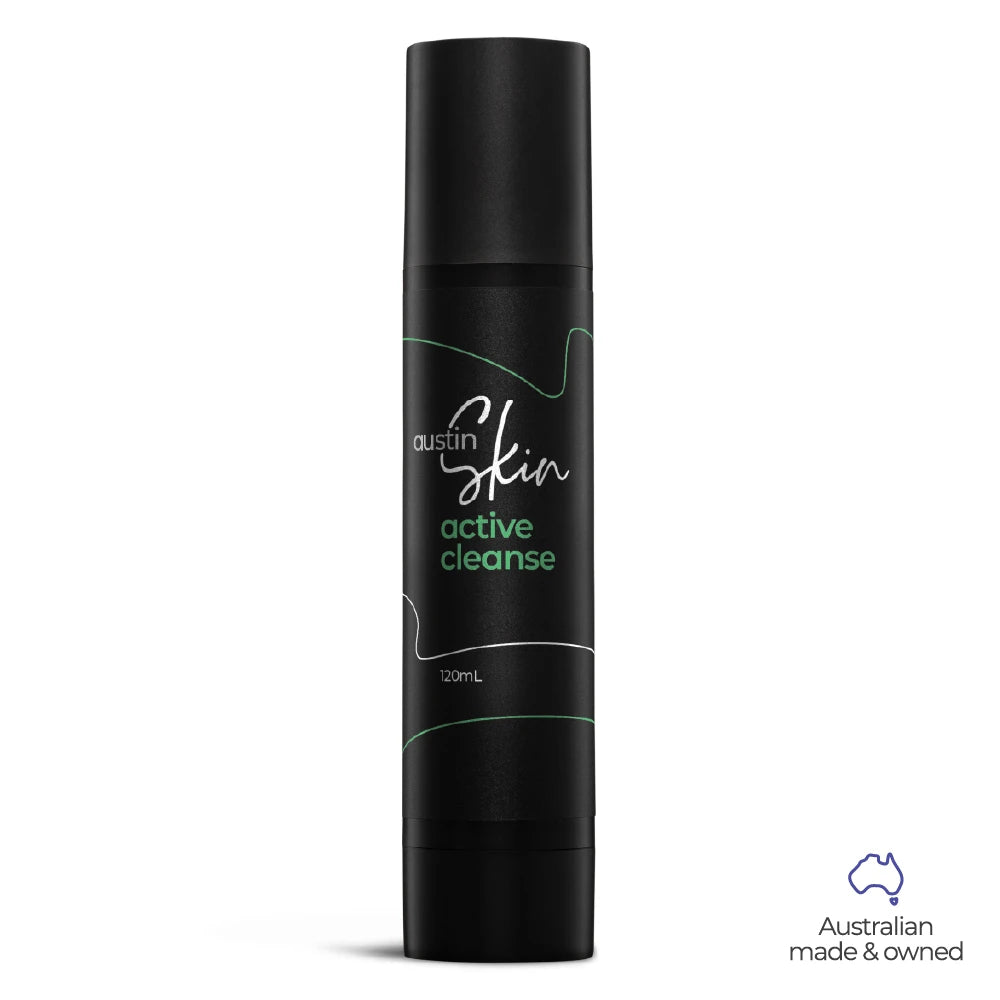
A deeply refreshing AHA-based cleanser that helps clear congestion and reduce excess oil while keeping the barrier calm.
How to use: Apply 1–2 pumps to wet skin, massage for 20–30 seconds, rinse.
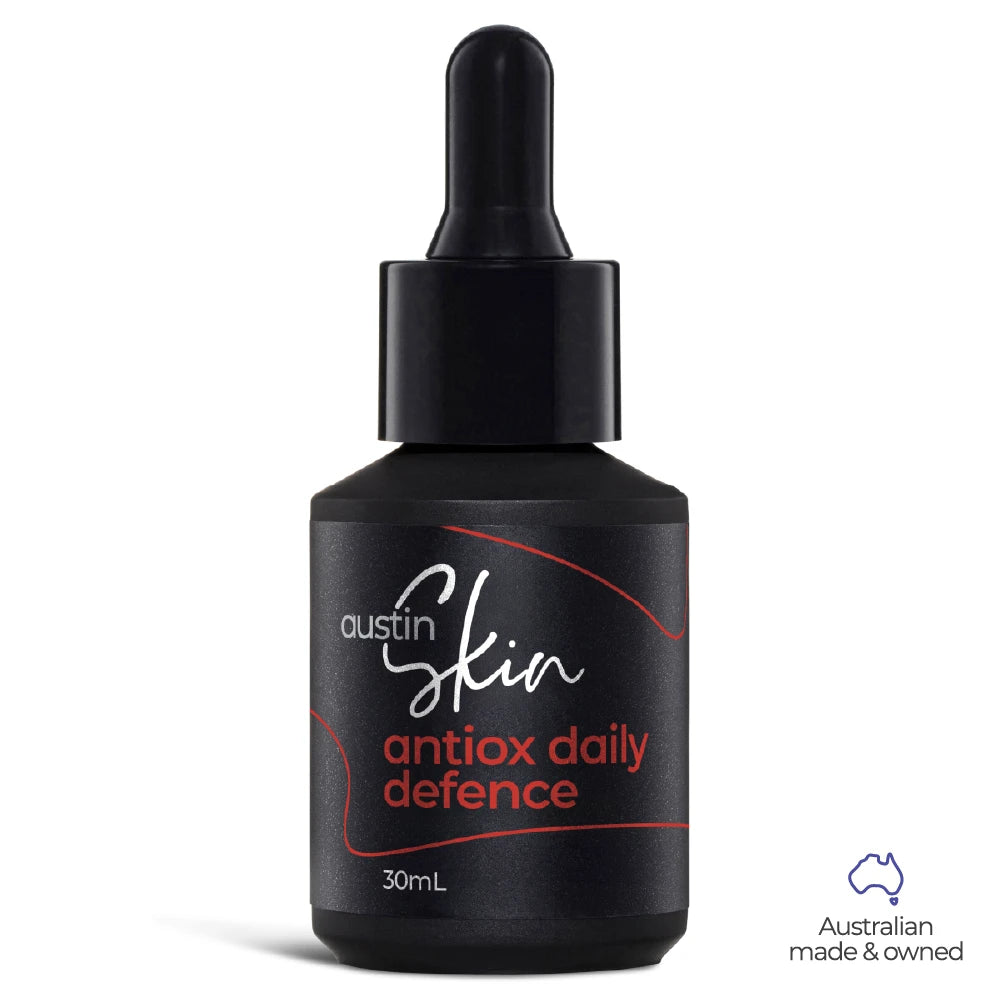
A niacinamide-rich antioxidant serum ideal for acne-prone skin, helping calm inflammation, support barrier repair and reduce post-blemish redness.
How to use: Apply 2–3 drops to clean, dry skin.
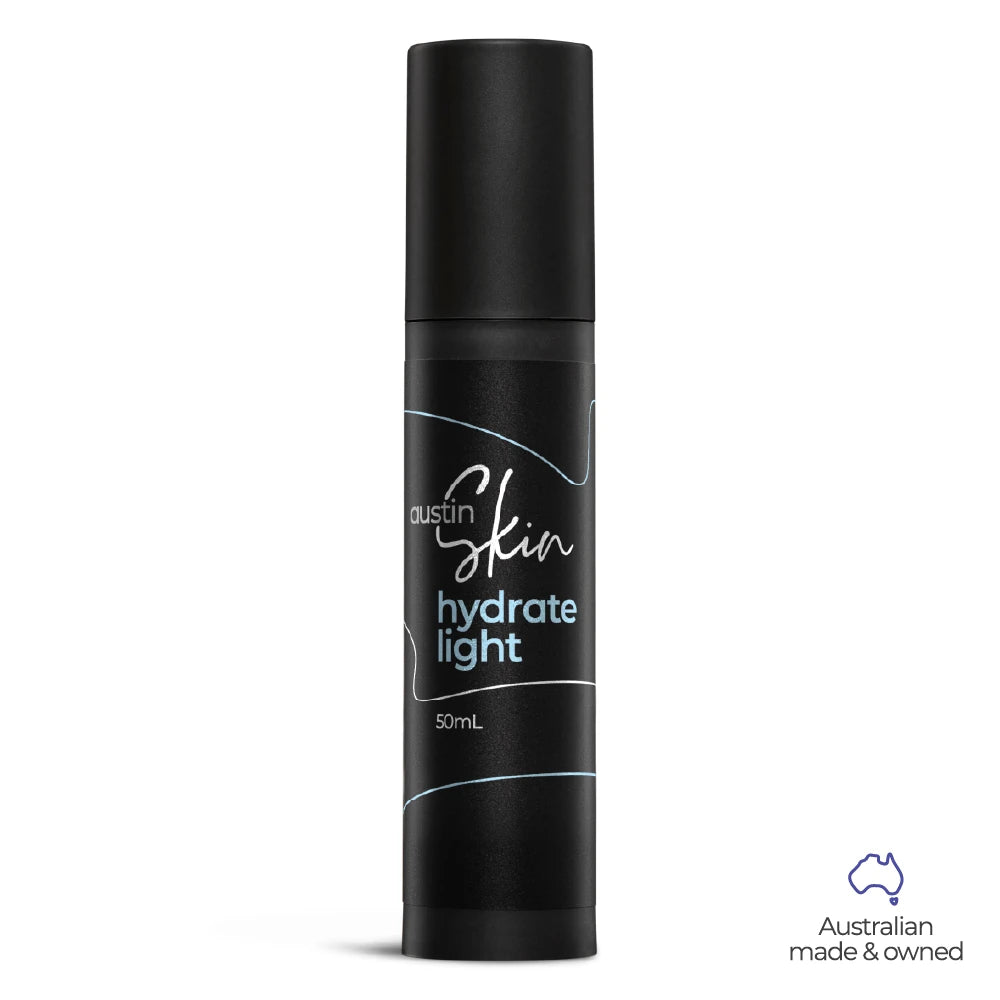
A lightweight, oil-balancing hydratingor moisturiser with hyaluronic acid, minerals, and soothing botanicals.
How to use: Apply 1–4 pumps (depending on area and skin type).
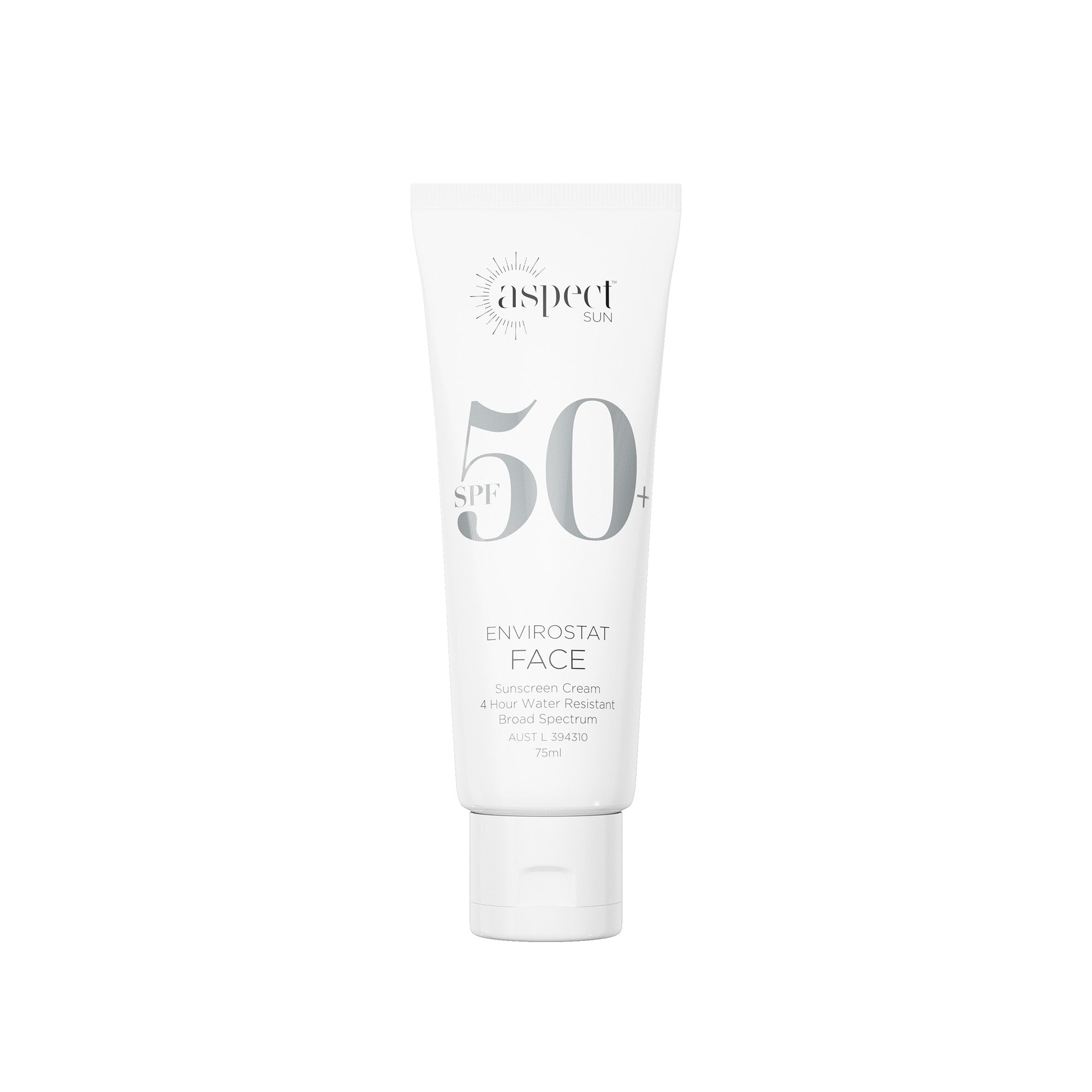
Essential to prevent post-acne marks from darkening and to protect compromised skin.
––––––––––––––––––––––––––––––
PM Routine
Repeat your morning cleanse to remove makeup, sunscreen and impurities.
Note: Do not use Active Cleanse to remove eye makeup due to the AHA content.
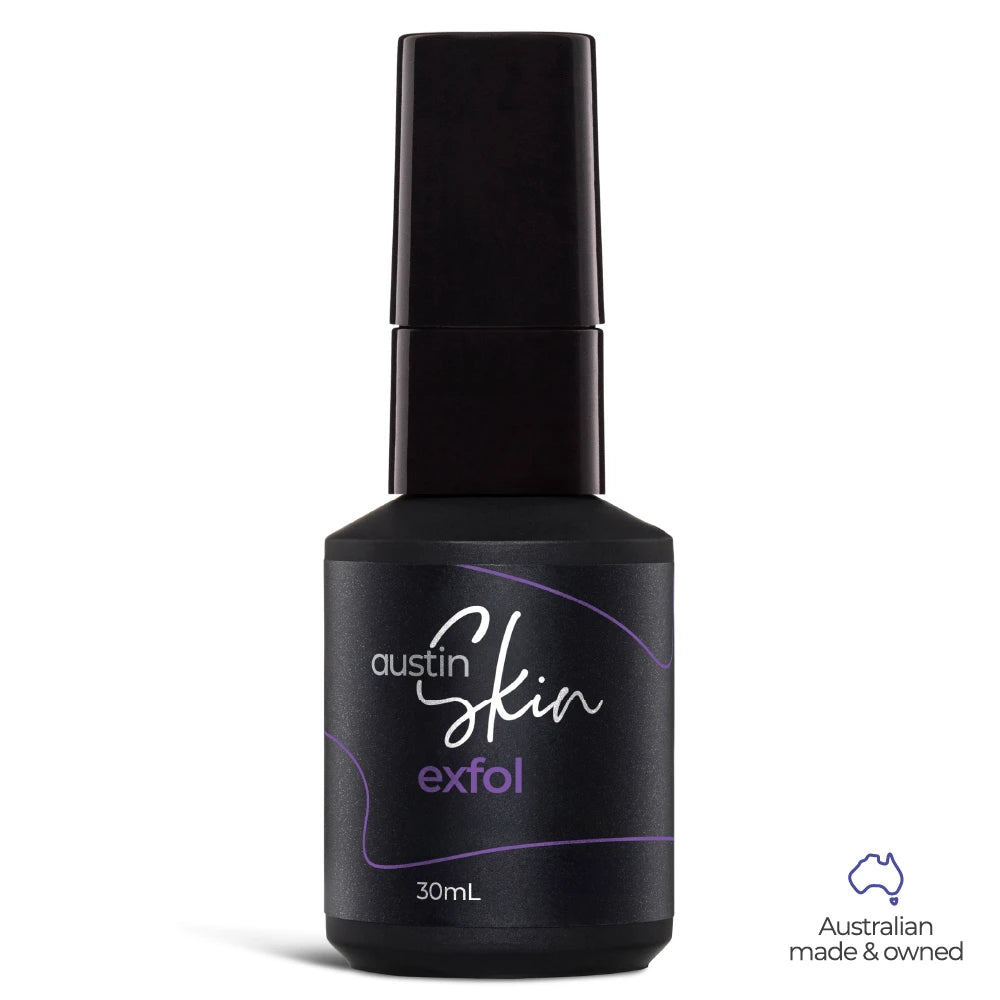
A potent AHA/BHA blend to clear clogged pores, reduce blackheads, smooth texture
and minimise redness.
How to use: Apply 2–3 drops to clean, dry skin. Avoid eye area.
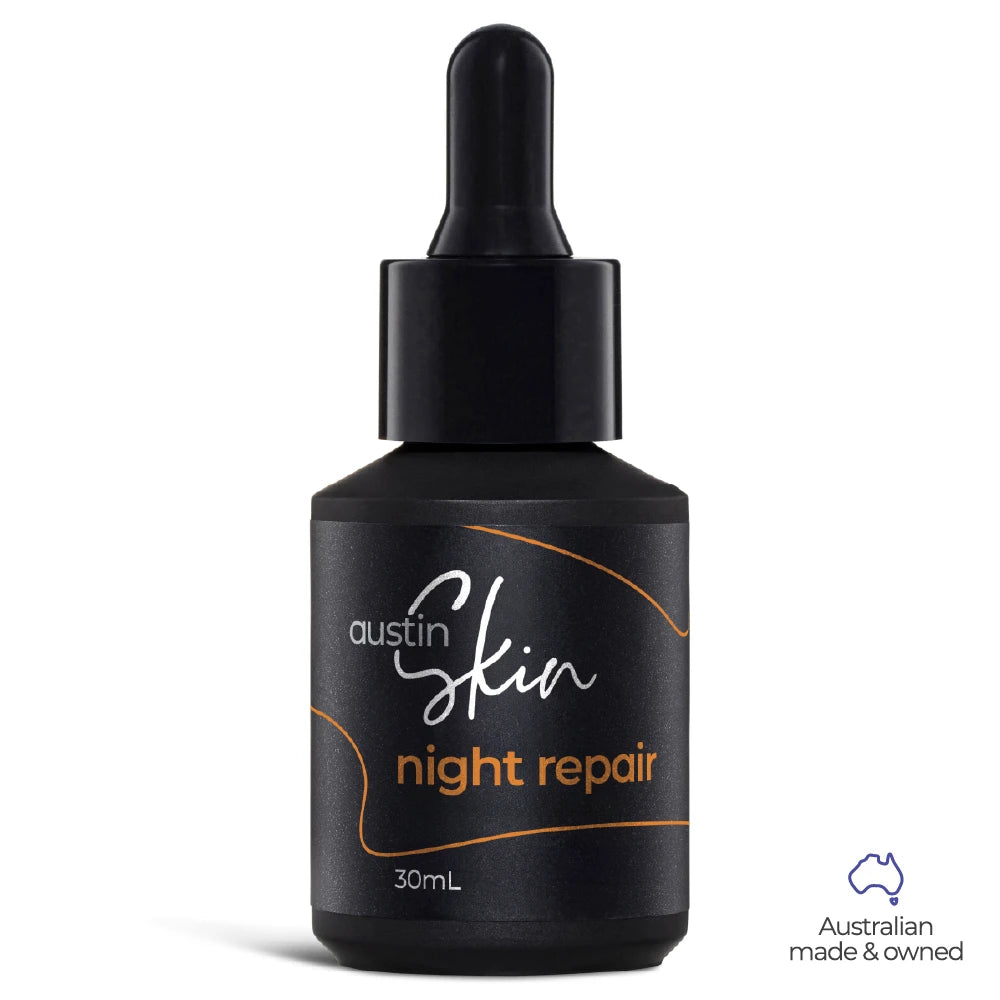
A retinaldehyde-based serum that accelerates cell renewal, improves congestion, and supports healthier-looking skin.
How to use: Apply 1 drop and distribute evenly. May be mixed with Hydrate Light for comfort. Avoid eye area.
If not mixed with Night Repair during application, apply 1–4 pumps as your final step.
Introducing Actives Slowly
Night Repair and Exfol are powerful actives. To avoid irritation:
- Introduce Exfol and Night Repair slowly
- Start by using each on alternate nights
- Gradually increase to nightly use if skin tolerates it
- If irritated, reduce frequency to 2× weekly until skin settles
Optional Add-ons & Variations
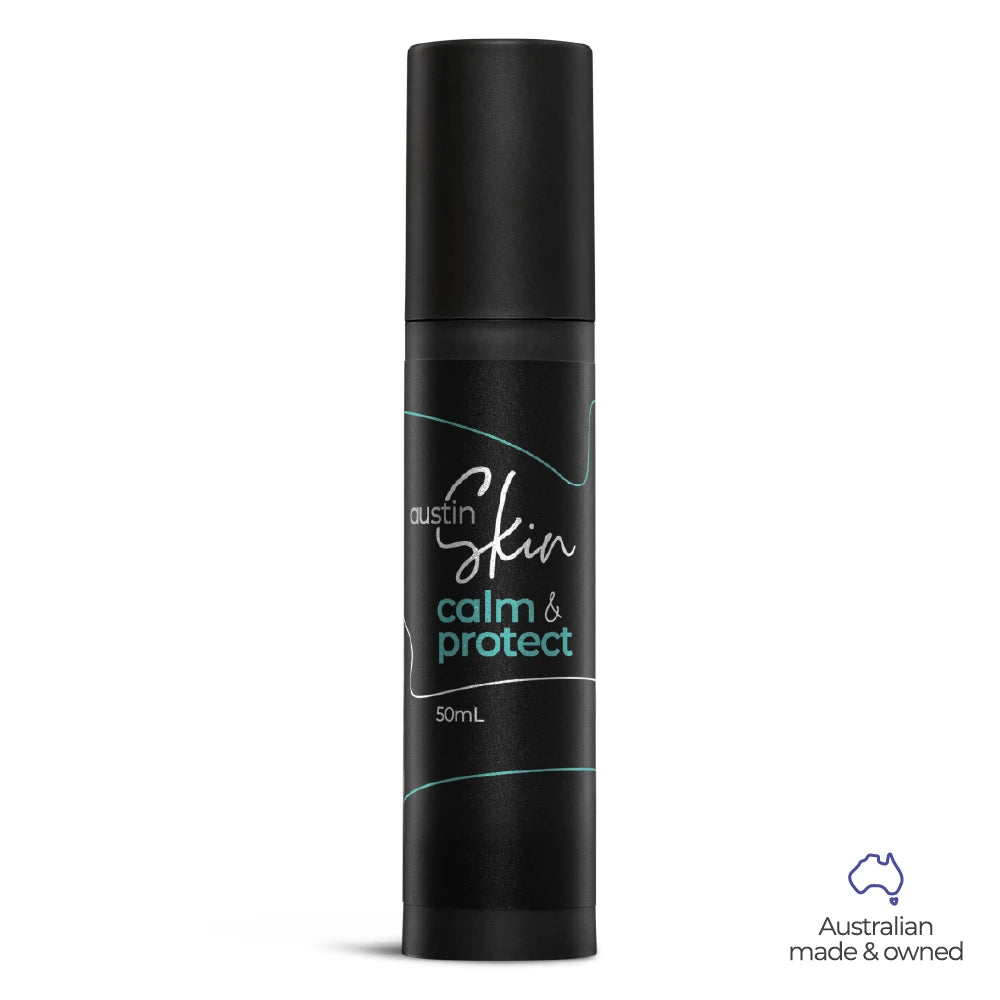
Add Calm & Protect (AM or PM) to ease
redness and soothe irritation and avoid Night Repair until inflammation calms down. Only apply Exfol 1-2 times per week while inflammation persists.
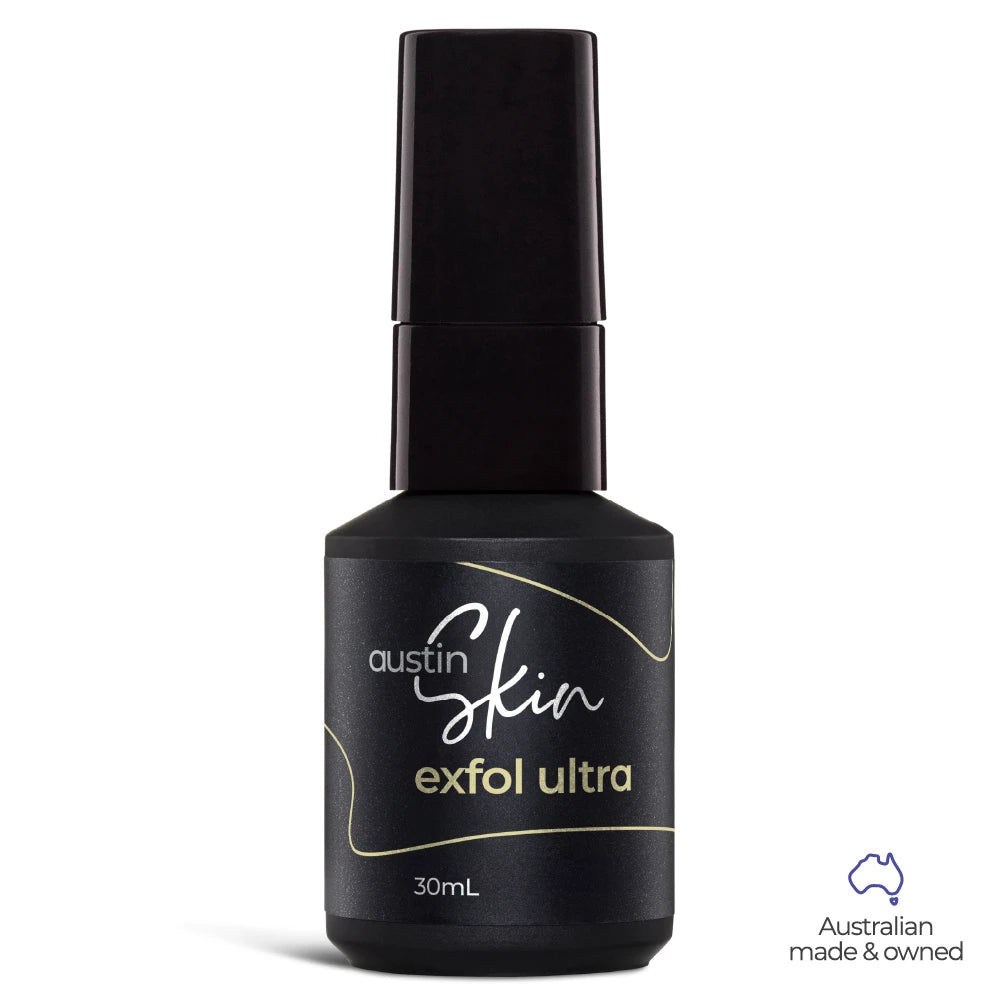
Use Exfol Ultra 1–2× weekly on alternate nights for resurfacing support (avoid on sensitive skin). Do not use on the same nights as Exfol or Charcoal Exfoliator. It is an either/or situation. Different Exfoliants cannot be used at the same time but can be used in the same routine if spaced correctly.
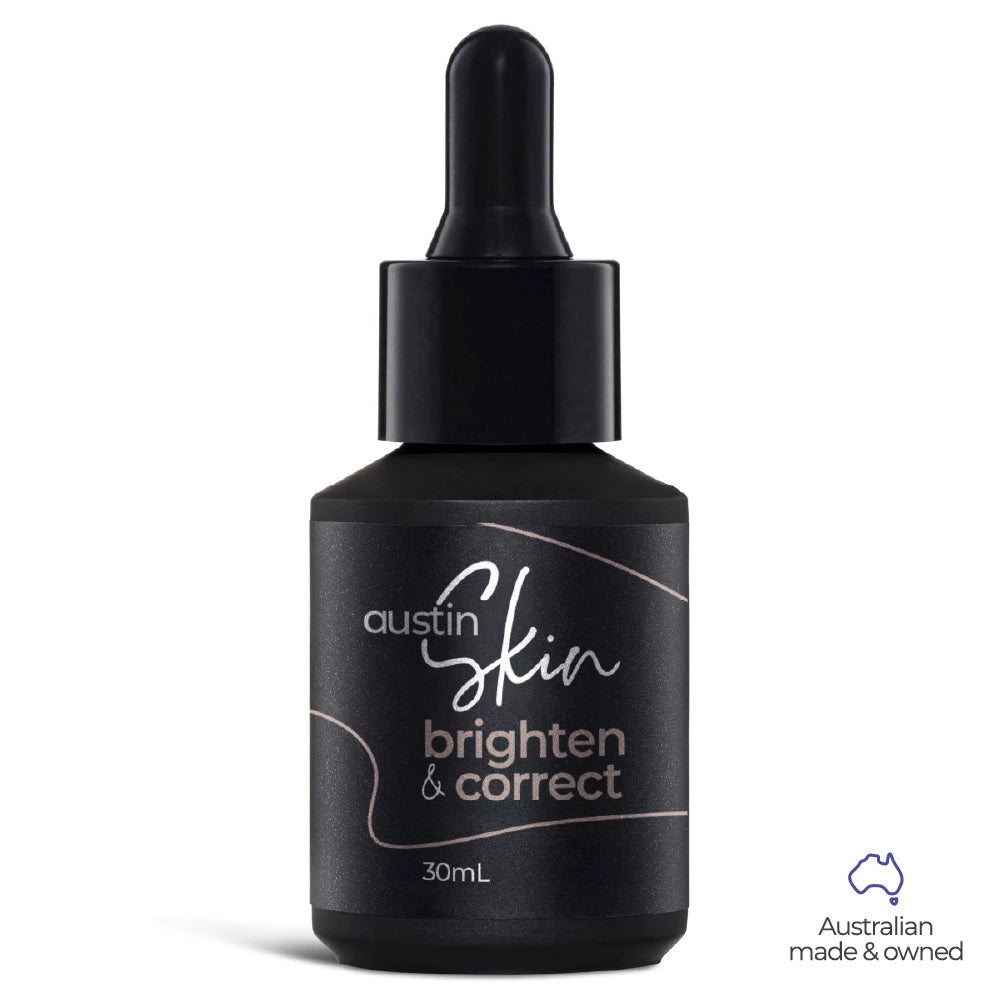
ban the blemishes
For those looking for a streamlined approach, our acne-focused kits combine complementary products to support clearer skin while protecting the skin barrier.

When You Should Seek Professional Help
If acne is severe, persistent, painful or associated with scarring or significant pigmentation, we suggest a professional assessment by someone who understands skin.
Conditions such as cystic acne or acne overlapping with rosacea or hormonal disorders may require medical management.
